Fit-Out Project Management in Riyadh: 9 Smart Wins for 2026
Fit-Out Project Management in Riyadh: 9 Smart Wins for 2026 Fit-Out Project Management in Riyadh: 9 Smart Wins for 2026 Fit-out projects in Riyadh move quickly, but poor planning can…




The project management process in Saudi Arabia has become a decisive factor in whether large and mid-scale initiatives succeed or fail. Professionals working with developers, investors, and corporate stakeholders consistently observe that projects rarely collapse due to lack of funding. Instead, failure often stems from weak planning, unclear governance, and an approach copied from other regions without local adaptation.
Saudi Arabia is not a plug-and-play environment. Vision-driven transformation has increased expectations around compliance, coordination, and delivery discipline. This reality demands a structured project management framework aligned with national standards, public institutions, and regulatory bodies.
This guide reflects real experience from the field, focusing on practical execution rather than theory.
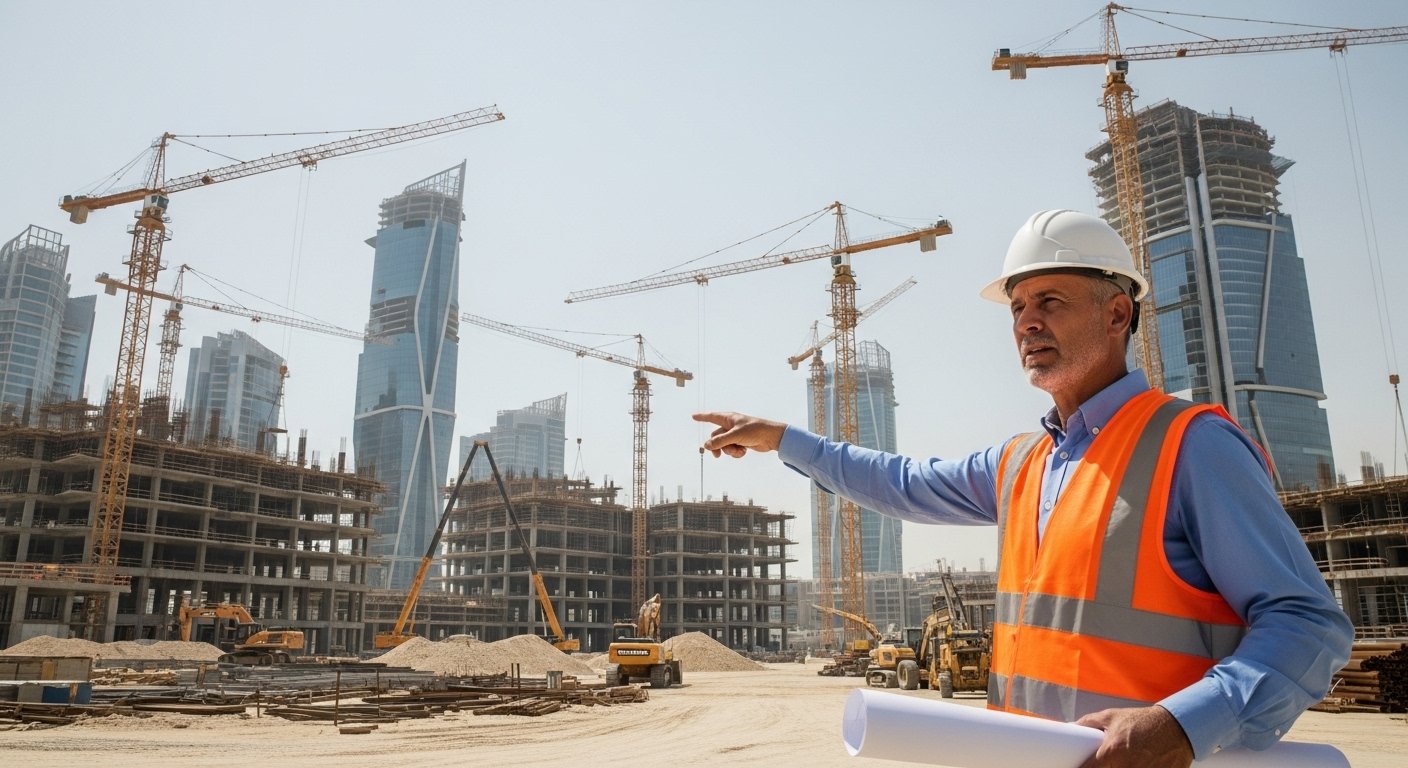
The project management process in Saudi Arabia follows five core stages: initiation, planning, execution, monitoring and control, and closure. What differentiates the Saudi context is strong governance, early coordination with government agencies, strict regulation, and the need to effectively manage cost, risk, and stakeholder expectations at scale.

Saudi Arabia is currently executing one of the most ambitious transformation agendas in the world. Mega developments, logistics hubs, hospitality projects, engineering programs, and digital initiatives are progressing simultaneously across the sector.
From professional observations, the most common challenges include:
In this market, managing projects is not only about timelines. It is about compliance, accountability, and outcome protection.

Project management is a structured process used to plan, manage, execute, and control work in order to achieve a defined objective. It allows organizations to organize tasks, allocate responsibility, and deliver results efficiently.
Globally, project stages are similar. In Saudi Arabia, depth and discipline define success.
While international standards apply, Saudi Arabia requires additional layers of control.
Ignoring these requirements reduces effectiveness and damages trust with clients and public institutions.

Initiation defines feasibility, scope, and authority requirements. A project manager must identify stakeholders, define the scope, and secure approval from relevant government agencies in the kingdom.
A common mistake is starting design or procurement before the authorities approve the application. This often leads to rework and cost escalation.
Planning transforms ideas into a structured plan. This phase includes:
Saudi clients value clarity. A realistic plan improves trust and long-term efficiency.
Execution involves coordinating teams, vendors, and contractors while ensuring compliance with technical and administrative standards. Strong supervision and clear procedures support high-quality delivery.
Execution without structure weakens productivity and exposes the project to unnecessary risk.
Monitoring ensures performance remains aligned with the approved plan. Control systems track cost, schedule, and quality, while governance ensures decisions are documented and responsibilities remain clear.
Transparency is expected by investors, boards, and regulatory authorities.
Closure confirms all outputs meet requirements and contractual obligations. Final inspections, documentation, and lessons learned help improve future performance.
Projects that skip structured closure often face disputes after handover.
A project management professional brings structure, accountability, and experience. Many organizations prefer professionals with PMP certification, as it reflects qualification, discipline, and proven methodology.
Such professionals are trained in managing a project through complex environments while remaining able to adapt to change.

Project management supports multiple use cases, including construction, digital initiatives, corporate programs, and sustainability-focused developments. Each sector demands a tailored approach aligned with organizational strategy and national vision.
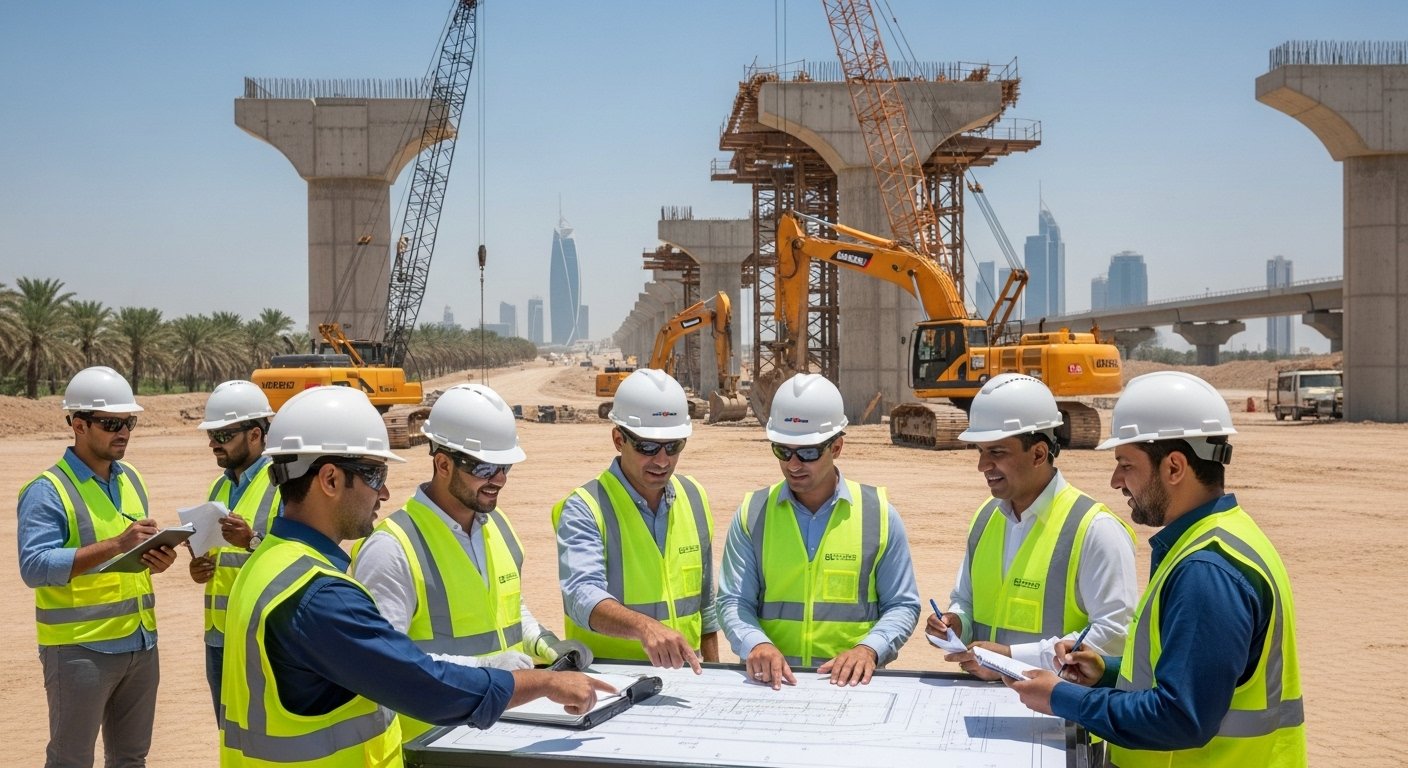
Experienced project managers consistently recommend:
These practices improve effectiveness and protect long-term outcomes.
| Project Type | Typical Cost Range |
|---|---|
| Commercial Projects | 3–6 percent |
| Large Developments | 2–4 percent |
| Mega Programs | Program-based models |
Lower fees often lead to higher total costs due to inefficiencies.
Avoiding these mistakes significantly improves delivery success.

A reliable partner should demonstrate:
These factors determine long-term project success.
Riyadh, Jeddah, and emerging cities demand disciplined execution. Understanding links to official websites and official websites of government agencies helps teams stay compliant and competitive.

The project management process in Saudi Arabia is essential for protecting investment, ensuring compliance, and achieving sustainable results. Organizations that apply structured planning, strong governance, and professional oversight consistently outperform those that do not.
Successful delivery depends on experience, discipline, and the ability to align with the Kingdom’s expectations from start to finish in the kingdom of saudi arabia end.
KSA project management requires a disciplined approach that balances speed, compliance, and risk control in one of the fastest-growing markets in the world. Successful delivery depends on deep knowledge of Saudi regulations, authority coordination, cost management, and stakeholder alignment across complex environments. Companies that apply structured governance, real-time reporting, and local expertise are able to protect budgets, maintain timelines, and deliver projects that meet both commercial objectives and national development standards.