Fit-Out Project Management in Riyadh: 9 Smart Wins for 2026
Fit-Out Project Management in Riyadh: 9 Smart Wins for 2026 Fit-Out Project Management in Riyadh: 9 Smart Wins for 2026 Fit-out projects in Riyadh move quickly, but poor planning can…




Fit-out projects in Riyadh move quickly, but poor planning can make them expensive, delayed, and difficult to control. A successful interior project is not only about selecting finishes or completing construction work. It requires clear planning, coordinated design, controlled procurement, disciplined site execution, and a structured handover process.
For developers, business owners, property owners, and corporate clients, Fit-Out Project Management in Riyadh provides the framework needed to control these moving parts.
A professional project manager coordinates the project from early planning through design coordination, procurement, construction, quality control, testing, and final handover. The objective is simple: keep the project aligned with its approved scope, budget, schedule, quality requirements, and operational goals.
Exceptional combines project management, interior design, fit-out, and execution under one accountable structure, supporting projects across Saudi Arabia.
This guide explains the Fit-Out Project Management Process, the role of Fit-Out Project Planning, how Fit-Out Project Coordination reduces execution problems, and how Fit-Out Project Cost Control helps protect the project budget.
Fit-Out Project Management in Riyadh is the structured management and coordination of an interior fit-out project from planning and design coordination through procurement, construction, quality control, testing, and final handover.
Unlike simply hiring a contractor to execute construction work, project management provides an independent structure for controlling scope, schedule, cost, quality, communication, risks, and coordination between the different parties involved.
This becomes particularly important when a project includes multiple disciplines such as:
The role of the project manager is to make sure these elements work together rather than allowing each contractor or discipline to operate independently.
For a commercial project in Riyadh, this can mean the difference between a controlled delivery and a project affected by repeated variations, rework, delayed approvals, or missed opening dates.

A fit-out project is more than interior decoration. It involves construction, engineering, procurement, approvals, site coordination, quality control, and ultimately the preparation of the space for operation.
Projects in Saudi Arabia may also involve local regulatory and authority requirements that need to be considered during planning and design rather than after construction has already started.
Without a structured management process, common problems include:
Professional project management creates a single framework for monitoring these issues.
The goal is not simply to make contractors work faster. The goal is to make the entire project work in the right sequence.
Effective Fit-Out Project Planning begins before construction starts.
The planning stage establishes what will be delivered, who is responsible for each activity, how the work will be sequenced, what approvals are required, and how the project will be measured against its budget and schedule.
A practical planning process should establish:
The scope should clearly define the areas included in the project, the required finishes, technical systems, specialist works, furniture requirements, and final deliverables.
An unclear scope is one of the easiest ways to create disputes and variations later.
The programme should identify key milestones including:
Every major activity should have a clear owner.
The project manager should coordinate the client, designer, consultant, contractor, suppliers, and specialist subcontractors so that responsibilities do not overlap or disappear between parties.
Before construction begins, potential risks should be identified.
Examples include long-lead materials, incomplete design information, authority approvals, specialist subcontractors, site access, procurement constraints, and late client decisions.
Good planning does not eliminate every risk. It makes risks visible early enough to manage them.
The Fit-Out Project Management Process should provide a clear path from the initial project brief to final handover.
The first stage establishes the project objectives, scope, budget, programme, stakeholders, and delivery strategy.
At this stage, the project team should identify what success means for the client.
For a corporate office, success may mean opening on a specific date.
For a retail project, it may mean opening before a commercial launch.
For hospitality, it may involve both design quality and operational readiness.
The project strategy should therefore reflect the actual business objective rather than focusing only on construction activities.
Once the project scope is established, design information must be coordinated before and during construction.
This includes reviewing architectural information alongside:
The purpose is to identify conflicts before they reach the site.
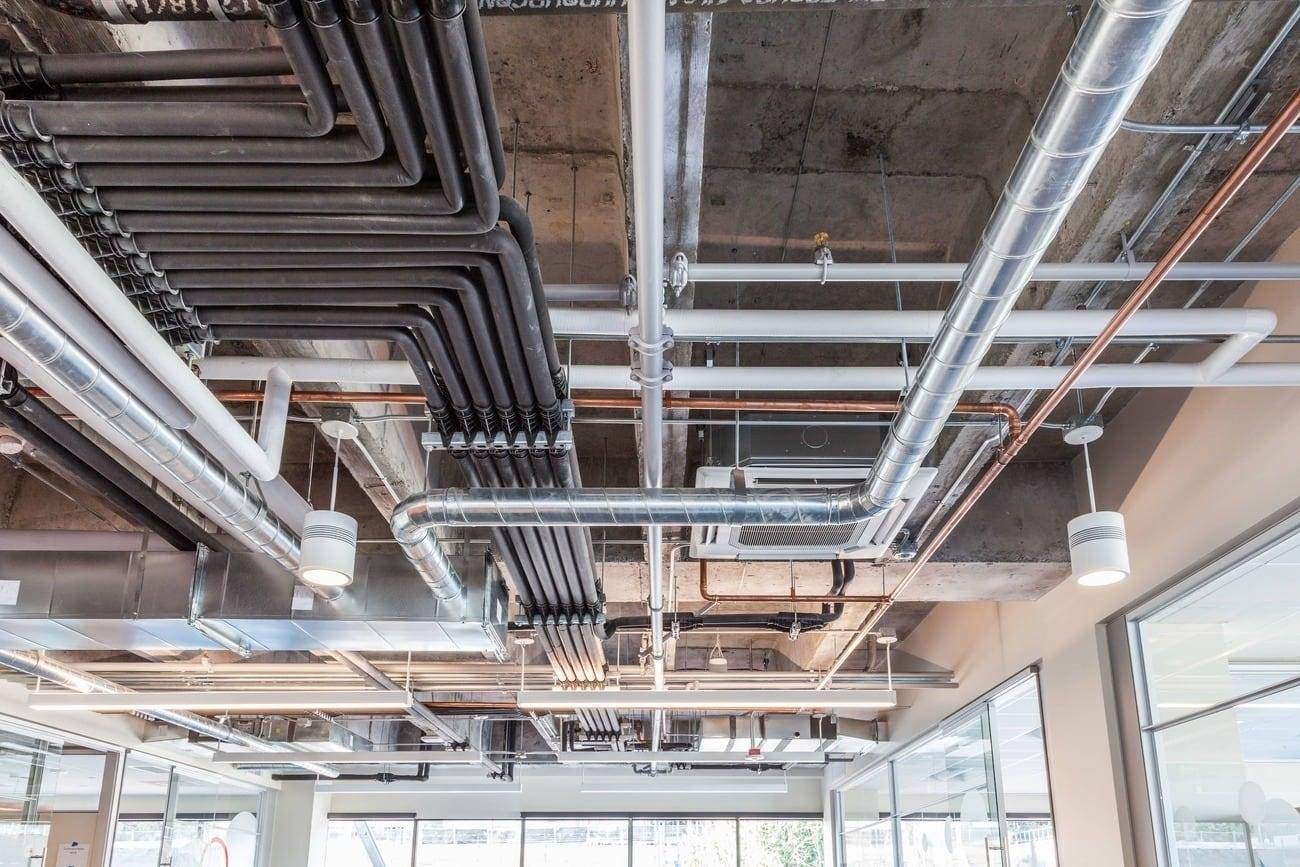
A ceiling design, for example, cannot be evaluated only from an aesthetic perspective. It must also accommodate lighting, HVAC, fire protection, access panels, electrical services, and other technical requirements.
Procurement is another critical part of the project management process.
Long-lead materials and specialist items should be identified early.
The project team should monitor:
A delay in one material can affect several subsequent activities. Procurement therefore needs to be connected directly to the project programme.
During construction, the project manager monitors progress against the approved programme and coordinates the different trades working on site.
Regular site management should cover:
The objective is to identify problems while they are still manageable.
The final stage should not begin only when the contractor announces that the project is complete.
Testing, inspections, snagging, documentation, commissioning, and handover preparation should be planned before the final weeks of the project.
A structured handover may include:
This approach creates a smoother transition from construction to operation.
Fit-Out Project Coordination is one of the most important responsibilities in a complex interior project.
A fit-out involves many different parties, and each one can affect another.
For example:
Interior Design → MEP → Procurement → Construction → Testing → Handover
A change to the interior design may affect the ceiling.
The ceiling may affect lighting.
Lighting may affect electrical coordination.
Electrical coordination may affect procurement.
Procurement may affect the construction schedule.
This is why coordination must be continuous throughout the project.
Professional coordination should focus on:
The purpose is to prevent one unresolved issue from becoming a larger construction problem later.
Professional project management gives the client a structured layer of control over the project.
The project starts with a defined scope, programme, responsibilities, and delivery strategy.
Costs, variations, procurement decisions, and scope changes can be monitored throughout the project.
Different contractors and disciplines work according to an integrated programme rather than independent schedules.
Quality inspections and approvals can be built into the delivery process instead of being left until the end.
Regular reporting gives the client visibility into progress, risks, decisions, and upcoming activities.
Early coordination helps identify design and technical conflicts before they become expensive site issues.
The project is managed toward operational readiness rather than simply reaching physical completion.
Exceptional’s project management service covers planning, budgeting, coordination, procurement, risk management, and delivery through to handover.
Explore Exceptional’s Project Management & Advisory Services
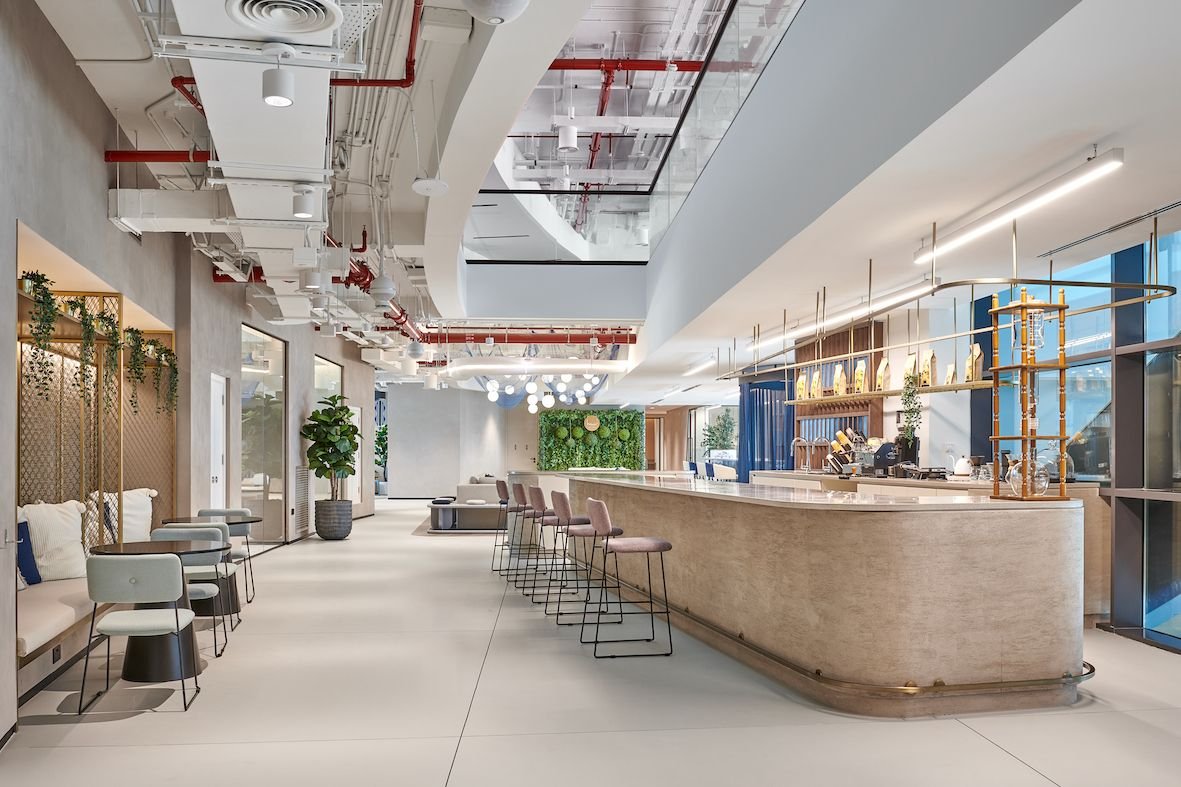
Fit-out project management can support many types of interior projects.
Corporate offices require coordination between workplace design, MEP systems, technology, furniture, branding, and operational requirements.
For office projects specifically, planning and authority coordination can have a significant effect on the overall programme. Exceptional’s dedicated office fit-out guidance separates planning, approvals, procurement, construction, testing, and handover into distinct stages.
Retail environments often have fixed opening dates and strong brand requirements. Delays can therefore have a direct commercial impact.
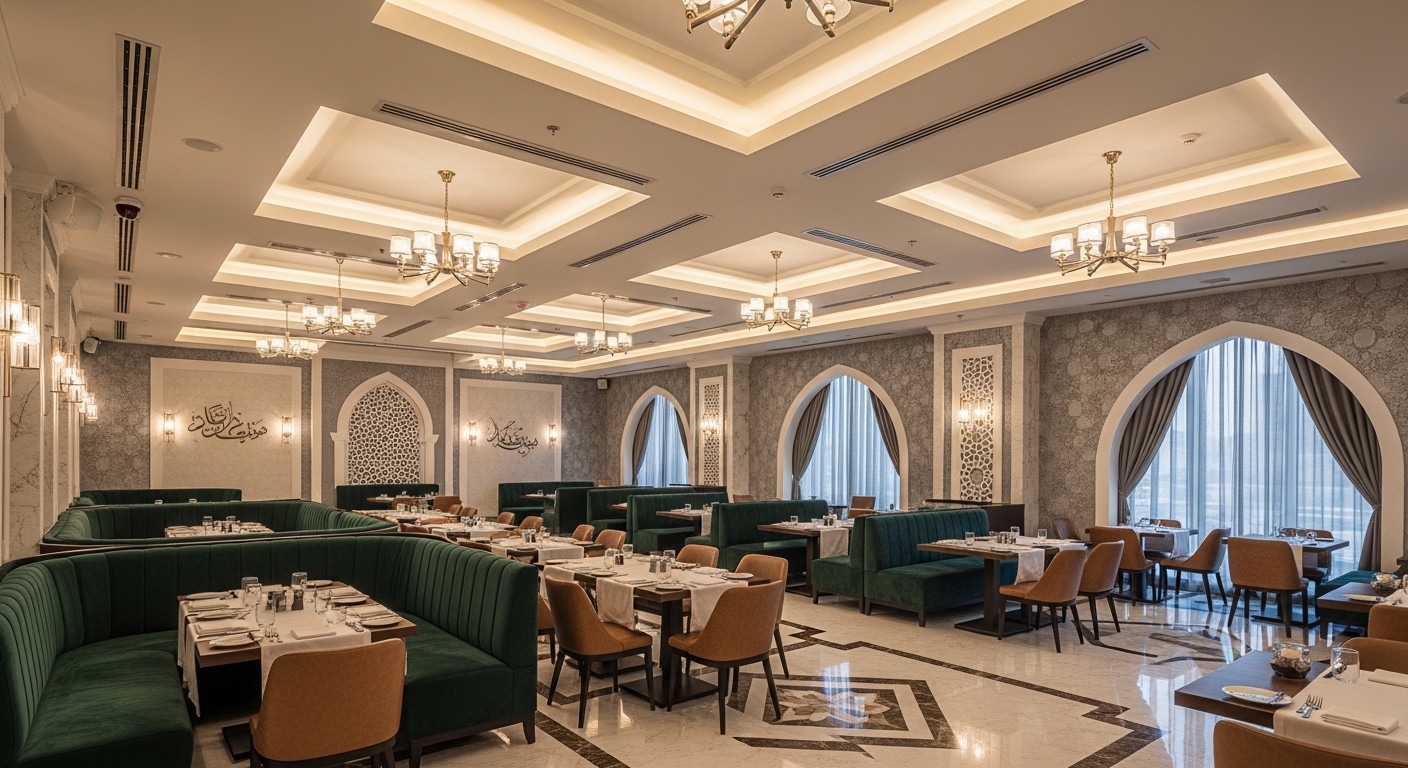
Hotels, restaurants, cafés, and hospitality environments require close coordination between design, finishes, MEP, lighting, furniture, operational requirements, and guest experience.
Exceptional has also delivered hospitality fit-out projects using an integrated combination of hospitality fit-out and project management.
These projects may require more detailed technical coordination, specialist systems, compliance considerations, and controlled handover.
Luxury residential fit-out requires close attention to finishes, joinery, lighting, MEP systems, material quality, and final detailing.
Exceptional separately provides residential fit-out solutions covering design, execution, and project management.
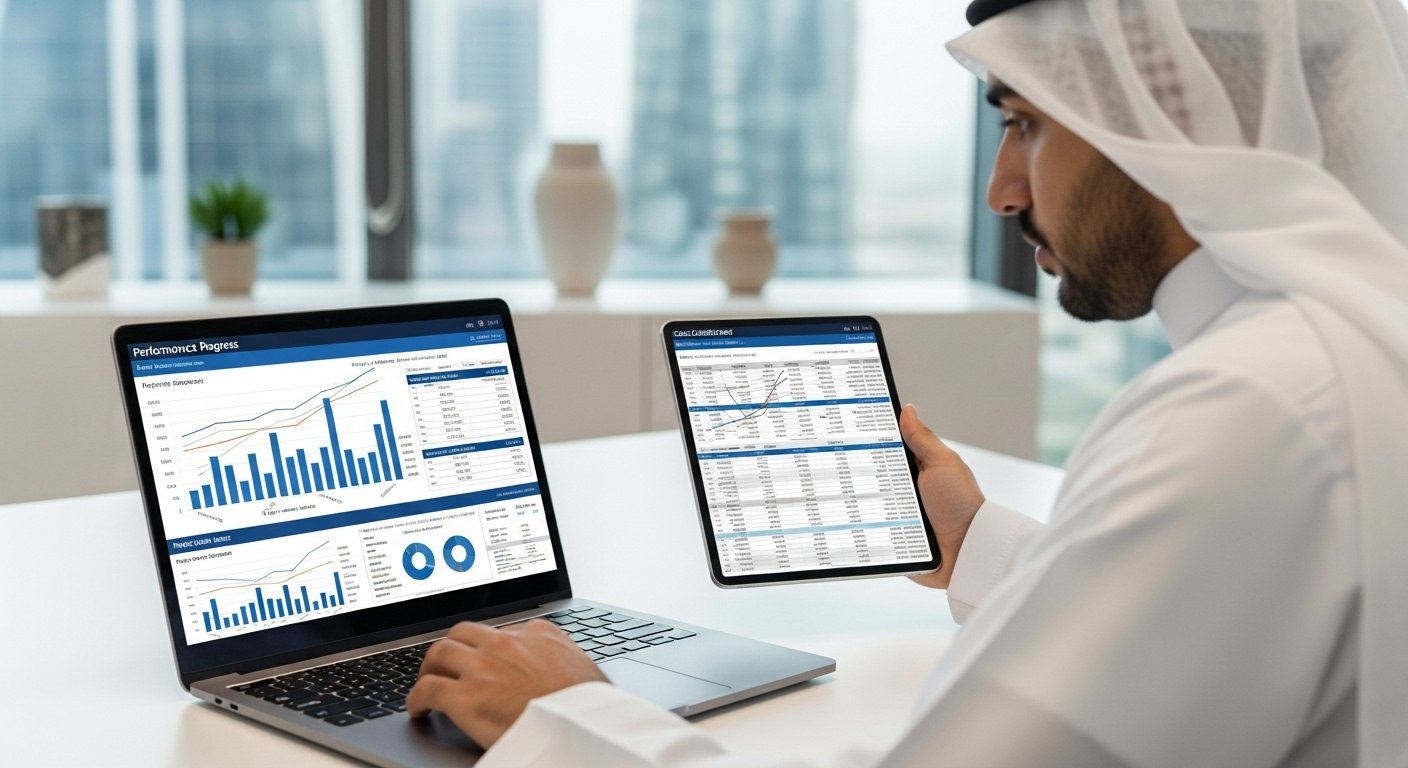
Fit-Out Project Cost Control is not simply about choosing the lowest quotation.
The real objective is to keep the project aligned with its approved scope and budget while managing changes and risks throughout delivery.
A practical cost-control framework should monitor:
| Cost Area | What Should Be Controlled |
|---|---|
| Original Scope | Approved project requirements |
| Procurement | Supplier quotations and purchase orders |
| Materials | Specifications, approvals and substitutions |
| Variations | Scope changes and additional works |
| Contingency | Identified project risks |
| Contractor Payments | Progress against completed work |
| Rework | Costs caused by errors or poor coordination |
| Final Account | Outstanding commercial matters |
Common causes include:
For this reason, cost control should start during planning and continue until final account and handover.
The exact cost of a fit-out varies considerably according to project type, specifications, size, procurement strategy, materials, technical requirements, and site conditions. Therefore, generic cost-per-square-metre figures should be treated as indicative rather than a universal project price.

A fit-out contractor and a project manager do not necessarily perform the same role.
The contractor is primarily responsible for executing the contracted construction and fit-out works.
The project manager provides broader coordination and management on behalf of the client.
| Area | Project Management | Contractor |
|---|---|---|
| Client-side coordination | ✓ | Limited |
| Programme management | ✓ | ✓ |
| Construction execution | Oversees | ✓ |
| MEP coordination | Coordinates | Executes |
| Cost monitoring | ✓ | Contract-based |
| Variations | Reviews / manages | Submits |
| Quality monitoring | ✓ | Executes |
| Contractor coordination | ✓ | Within own scope |
| Client reporting | ✓ | Limited |
| Handover coordination | ✓ | Executes documentation |
The right structure depends on the project’s complexity, procurement model, client capability, and risk profile.
For clients looking for an integrated approach, Exceptional combines project management, design, fit-out, and execution under one accountable structure.
Some of the most expensive fit-out problems begin before construction.
If the scope is unclear, contractors may interpret requirements differently, leading to variations and disputes.
The lowest quotation does not necessarily represent the lowest final project cost.
Uncoordinated drawings can create rework and delays.
MEP conflicts can affect ceilings, walls, joinery, lighting, and other finishes.
Late approvals can push procurement and construction activities.
Every change should be documented, evaluated, approved, and reflected in the project records.
A project can appear physically complete while still having unresolved testing, documentation, snagging, or approval issues.
Before starting a fit-out project in Riyadh, confirm the following:
For complex commercial, hospitality, retail, and corporate fit-out projects, professional project management can provide stronger control over planning, coordination, cost, quality, and delivery.
The process generally includes planning, scope definition, design coordination, procurement, contractor coordination, construction monitoring, quality control, testing, snagging, and final handover.
Because multiple disciplines and contractors work simultaneously. Coordination helps prevent conflicts between design, MEP, procurement, construction, and finishing activities.
Cost control helps identify variations, procurement risks, scope changes, rework, and other factors that can increase the final project cost.
There is no single standard duration. Programme length depends on project size, scope, design readiness, authority requirements, procurement lead times, construction complexity, and handover requirements.
A contractor can manage the execution of its contracted works, but the client’s need for independent project management depends on the procurement structure and project complexity.
Ideally, project management should be established during the planning and design stages, before major procurement and construction decisions are made.
Fit-Out Project Management in Riyadh is ultimately about creating control across the entire project lifecycle.
A successful fit-out requires more than good finishes. It requires structured Fit-Out Project Planning, a clear Fit-Out Project Management Process, continuous Fit-Out Project Coordination, and disciplined Fit-Out Project Cost Control.
When these elements work together, the client has greater visibility over scope, programme, cost, quality, risks, and final delivery.
For businesses, developers, property owners, and corporate clients in Riyadh, the objective should not simply be to finish the interior.
The objective should be to deliver a space that is planned correctly, coordinated properly, controlled commercially, completed to the required standard, and ready for operation.
Exceptional provides integrated project management, interior design, commercial fit-out, and turnkey delivery across Saudi Arabia, with a single accountable structure from planning through final handover.
If you are preparing a new office, retail, hospitality, commercial, or interior fit-out project, the first step is to establish the scope, programme, budget, and delivery strategy before construction begins.
You can review Exceptional’s Project Management & Advisory service for project planning, budgeting, coordination, procurement, risk management, and delivery support.
For project enquiries, use the Exceptional contact page to discuss your requirements with the Riyadh team.